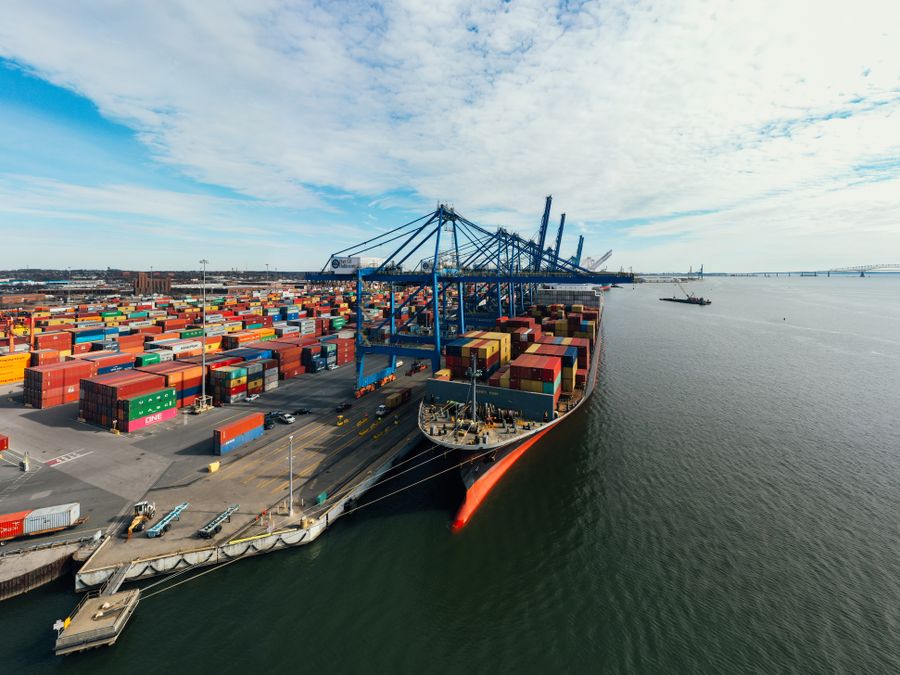
Marketing and sales get most of the attention when businesses think about customer experience, but for many purchases, the period after checkout — delivery timing, packaging condition, communication along the way — shapes how a customer actually feels about a brand.
Expectations are set earlier than fulfillment happens
A delivery estimate made at checkout becomes an implicit promise. Whether that promise is kept has a disproportionate effect on how a customer evaluates the whole transaction, regardless of how accurate the estimate was for operational reasons.
Communication reduces the cost of delay
Delays are sometimes unavoidable, but clear, timely communication about them tends to matter more to customer satisfaction than the length of the delay itself. Silence around a delay is often what actually damages the relationship.
Worth Noting
A pattern worth watching for
If delivery delays and customer complaints don't track closely together, it's worth checking whether communication — not delivery speed — is the actual variable driving dissatisfaction.
Logistics decisions have commercial consequences
The delivery promises a business can credibly make are shaped directly by its logistics capability. Marketing or sales commitments that outpace what fulfillment can support tend to create the exact experience gaps that erode customer trust.
A few areas worth reviewing
- Whether delivery estimates shown to customers reflect actual, current fulfillment capability
- How delays are communicated, and how early
- Whether packaging and handling match the expectations set by the product itself
“A customer rarely separates a brand from the box it arrives in.”
Treating logistics as part of the brand, not just operations
Businesses that treat logistics purely as a cost center tend to miss how directly it shapes customer perception. Reviewing fulfillment and delivery as part of the customer experience, rather than separately from it, tends to surface more useful improvements.